MARRIAGE
Home Redefined: Joint Family vs. Nuclear Family in Today’s World
Jun 20, 2025
|
9
min read
Exploring how family structures shape our lives, values, and connections in modern times.
Rediscovering the Meaning of Home
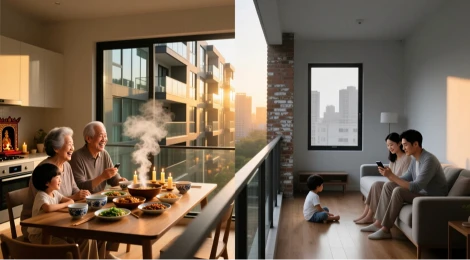
The aroma of a home-cooked meal fills the air. Voices echo from the living room—some laughing, others arguing, and yet somehow, all creating a rhythm that feels familiar. A child clings to a grandparent’s hand, while siblings navigate their own small conflicts.
This is a scene from a joint family, rich with noise, life, and interwoven relationships. Contrast this with a quiet dinner at a nuclear family’s table: two parents, a couple of children, and perhaps an occasional visit from relatives. The home is orderly, intimate, and focused, yet it carries a different energy—a sense of solitude and independence.
Home, in today’s world, has never been just a physical space. It is a living ecosystem of relationships, responsibilities, and emotional rhythms. And the debate between joint and nuclear families is less about right or wrong, and more about how each structure shapes lives, values, and experiences.
The Myth of One Ideal Family Structure
For generations, joint families were considered the norm in many cultures. They offered support, shared responsibilities, and the comfort of multiple generations under one roof. But modernity, mobility, and individual aspirations have propelled the nuclear family into prominence.
Here’s what’s often overlooked: neither structure is inherently superior. Each carries its strengths and challenges, and each reflects the social, economic, and cultural realities of its time. The myth lies in believing there is one “ideal” way to live as a family.
The Joint Family Experience
Shared Responsibility
In a joint family, responsibilities are distributed. Cooking, childcare, finances, and household management are collective efforts. This shared load reduces individual stress and fosters a sense of belonging.
Children growing up in such environments learn cooperation, empathy, and patience naturally. They witness conflict resolution first hand and absorb the dynamics of multi-generational relationships.
Cultural Continuity and Support
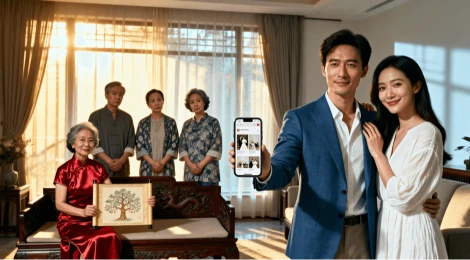
Joint families act as living vessels of tradition. Festivals, rituals, and family stories are preserved and passed down organically. Elders provide mentorship, while younger members infuse energy and new perspectives. This continuity strengthens identity, belonging, and cultural roots.
The Challenges
However, joint families are not without friction. Differences in opinions, generational gaps, and privacy concerns can create tension. Decisions often require consensus, and individuality may sometimes feel compromised. Balancing personal freedom with collective living is a daily negotiation.
The Nuclear Family Perspective
Autonomy and Flexibility
Nuclear families thrive on independence. Parents have greater control over household decisions, routines, and priorities. Children experience focused attention, while parents can tailor upbringing strategies to their philosophies and lifestyles.
Privacy and Personal Growth
With fewer voices under one roof, privacy is easier to maintain. Individuals have more space to pursue personal goals, hobbies, and self-expression. The pace of life is often calmer, allowing for intentional bonding within the immediate family.
The Challenges
Nuclear families face unique pressures. Responsibilities rest primarily on the parents, leaving less margin for error or rest. Support networks are limited, and emotional or logistical backup in crises can be harder to access. Additionally, children may have fewer opportunities to experience multi-generational perspectives daily.
Bridging the Gap: Lessons from Both Worlds
Shared Values
Whether joint or nuclear, the essence of a home lies in the values it cultivates: empathy, respect, communication, and support. Each family structure offers ways to reinforce these values—joint families through exposure to multiple perspectives, nuclear families through focused and intentional interactions.
Flexibility and Adaptation
Modern life demands adaptability. Many families now embrace hybrid models—nuclear families maintaining close ties with extended family, and joint families allowing individual space within collective living. The key lies in consciously balancing independence with connection.
Cultivating Emotional Intelligence
Both structures can nurture emotional growth. Joint families provide a laboratory for navigating complex social dynamics, while nuclear families offer a safe space for deep, intimate bonding. Awareness, mindfulness, and communication enhance the lessons that either structure provides.
Redefining Home for Today
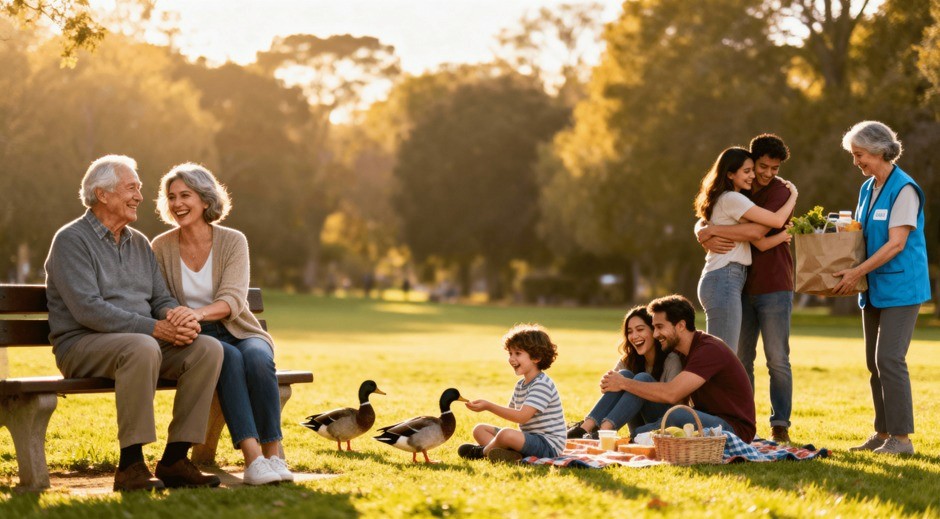
Home is not defined solely by its walls or who lives inside. It is defined by love, understanding, support, and growth. Joint families remind us of the richness of connection, shared wisdom, and cultural continuity. Nuclear families highlight autonomy, focus, and intentional relationships.
The challenge—and the opportunity—is to extract the best from each model. Encourage shared experiences and multi-generational bonds while respecting personal space and autonomy. Celebrate collective rituals without sacrificing individual expression.
Your Family, Your Choice
There is no universal blueprint. Families evolve, adapt, and redefine themselves constantly. The choice between joint and nuclear living is deeply personal, shaped by values, circumstances, and aspirations.
What matters most is not the structure itself, but the intention behind it. How do you cultivate love, respect, and growth in your home? How do you ensure every member feels seen, supported, and empowered? These are the questions that truly define a home.
What Comes Next
Whether you live under one roof with grandparents, cousins, and siblings, or share quiet mornings in a small apartment with just your partner or child—home is more than an arrangement. It’s a living bond that needs time, patience, and presence. The choice between joint and nuclear isn’t about right or wrong—it’s about finding balance, honouring tradition while allowing individuality to breathe.
Because in the end, home is not measured by how many people fill it, but by how much love sustains it.
Home isn’t what you live in. It’s what you live for.
Exploring how family structures shape our lives, values, and connections in modern times.
Rediscovering the Meaning of Home
The aroma of a home-cooked meal fills the air. Voices echo from the living room—some laughing, others arguing, and yet somehow, all creating a rhythm that feels familiar. A child clings to a grandparent’s hand, while siblings navigate their own small conflicts.
This is a scene from a joint family, rich with noise, life, and interwoven relationships. Contrast this with a quiet dinner at a nuclear family’s table: two parents, a couple of children, and perhaps an occasional visit from relatives. The home is orderly, intimate, and focused, yet it carries a different energy—a sense of solitude and independence.
Home, in today’s world, has never been just a physical space. It is a living ecosystem of relationships, responsibilities, and emotional rhythms. And the debate between joint and nuclear families is less about right or wrong, and more about how each structure shapes lives, values, and experiences.
The Myth of One Ideal Family Structure
For generations, joint families were considered the norm in many cultures. They offered support, shared responsibilities, and the comfort of multiple generations under one roof. But modernity, mobility, and individual aspirations have propelled the nuclear family into prominence.
Here’s what’s often overlooked: neither structure is inherently superior. Each carries its strengths and challenges, and each reflects the social, economic, and cultural realities of its time. The myth lies in believing there is one “ideal” way to live as a family.
The Joint Family Experience
Shared Responsibility
In a joint family, responsibilities are distributed. Cooking, childcare, finances, and household management are collective efforts. This shared load reduces individual stress and fosters a sense of belonging.
Children growing up in such environments learn cooperation, empathy, and patience naturally. They witness conflict resolution first hand and absorb the dynamics of multi-generational relationships.
Cultural Continuity and Support
Joint families act as living vessels of tradition. Festivals, rituals, and family stories are preserved and passed down organically. Elders provide mentorship, while younger members infuse energy and new perspectives. This continuity strengthens identity, belonging, and cultural roots.
The Challenges
However, joint families are not without friction. Differences in opinions, generational gaps, and privacy concerns can create tension. Decisions often require consensus, and individuality may sometimes feel compromised. Balancing personal freedom with collective living is a daily negotiation.
The Nuclear Family Perspective
Autonomy and Flexibility
Nuclear families thrive on independence. Parents have greater control over household decisions, routines, and priorities. Children experience focused attention, while parents can tailor upbringing strategies to their philosophies and lifestyles.
Privacy and Personal Growth
With fewer voices under one roof, privacy is easier to maintain. Individuals have more space to pursue personal goals, hobbies, and self-expression. The pace of life is often calmer, allowing for intentional bonding within the immediate family.
The Challenges
Nuclear families face unique pressures. Responsibilities rest primarily on the parents, leaving less margin for error or rest. Support networks are limited, and emotional or logistical backup in crises can be harder to access. Additionally, children may have fewer opportunities to experience multi-generational perspectives daily.
Bridging the Gap: Lessons from Both Worlds
Shared Values
Whether joint or nuclear, the essence of a home lies in the values it cultivates: empathy, respect, communication, and support. Each family structure offers ways to reinforce these values—joint families through exposure to multiple perspectives, nuclear families through focused and intentional interactions.
Flexibility and Adaptation
Modern life demands adaptability. Many families now embrace hybrid models—nuclear families maintaining close ties with extended family, and joint families allowing individual space within collective living. The key lies in consciously balancing independence with connection.
Cultivating Emotional Intelligence
Both structures can nurture emotional growth. Joint families provide a laboratory for navigating complex social dynamics, while nuclear families offer a safe space for deep, intimate bonding. Awareness, mindfulness, and communication enhance the lessons that either structure provides.
Redefining Home for Today
Home is not defined solely by its walls or who lives inside. It is defined by love, understanding, support, and growth. Joint families remind us of the richness of connection, shared wisdom, and cultural continuity. Nuclear families highlight autonomy, focus, and intentional relationships.
The challenge—and the opportunity—is to extract the best from each model. Encourage shared experiences and multi-generational bonds while respecting personal space and autonomy. Celebrate collective rituals without sacrificing individual expression.
Your Family, Your Choice
There is no universal blueprint. Families evolve, adapt, and redefine themselves constantly. The choice between joint and nuclear living is deeply personal, shaped by values, circumstances, and aspirations.
What matters most is not the structure itself, but the intention behind it. How do you cultivate love, respect, and growth in your home? How do you ensure every member feels seen, supported, and empowered? These are the questions that truly define a home.
What Comes Next
Whether you live under one roof with grandparents, cousins, and siblings, or share quiet mornings in a small apartment with just your partner or child—home is more than an arrangement. It’s a living bond that needs time, patience, and presence. The choice between joint and nuclear isn’t about right or wrong—it’s about finding balance, honouring tradition while allowing individuality to breathe.
Because in the end, home is not measured by how many people fill it, but by how much love sustains it.
Home isn’t what you live in. It’s what you live for.