EVERYDAY LIFE
Designing a Realistic Recovery Plan After Burnout
Jul 20, 2025
|
10
min read

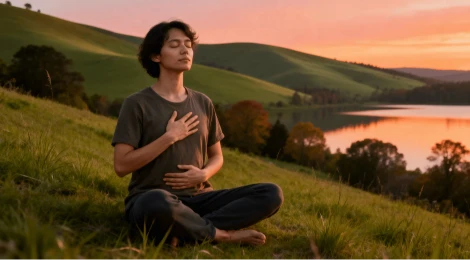
Healing doesn’t begin with doing more—it begins with allowing yourself to pause.
The Aftermath of Burning Out
You don’t notice it happening at first. You keep pushing through the deadlines, the meetings, the messages that never stop. You tell yourself it’s just a busy season—that you’ll rest when things slow down. But one day, the energy runs out. The spark that once fuelled you turns to ash. Even simple tasks feel overwhelming.
Burnout doesn’t just drain your energy—it erases your sense of self. It leaves you restless yet unable to move, wired yet exhausted, searching for meaning in what once gave you purpose.
And yet, as devastating as it feels, this is where something vital begins. Because when everything burns down, what’s left is truth.
That truth can be painful—but it’s also powerful. Burnout strips away illusion. It shows you what can no longer continue as it is. And though the quiet that follows may feel empty, it’s also the space where something new can begin. Recovery doesn’t start with rushing to rebuild—it starts with learning to stand still long enough to listen.
Step One: Stop Trying to “Bounce Back”
We’re told to “get back on our feet” quickly, as if recovery were a performance review. But real healing isn’t about bouncing back—it’s about rebuilding better.
You can’t return to the life that burned you out and expect peace. Burnout isn’t a flaw—it’s a message. A sign that something in your rhythm, your expectations, or your environment has become unsustainable.
So, begin here: stop pretending you’re fine. Admit you’re exhausted. Acknowledge that your body and mind are asking for more than a weekend off. True recovery begins with honesty.
Step Two: Redefine What Rest Means
Most of us confuse rest with collapse. But burnout recovery calls for intentional rest—one that repairs, not distracts.
Physical rest: Sleep, nourishment, unhurried movement.
Mental rest: Time away from screens, decisions, and noise.
Emotional rest: Giving yourself permission to feel and release.
Social rest: Spending time only with people who replenish you.
Make rest non-negotiable, not occasional. You’re not lazy for needing it—you’re human for honouring it.
Step Three: Start Small, Go Slow
When you’ve been running on empty, even healing can feel like pressure. So don’t start with a revolution. Start with small rituals—a morning stretch, a walk after work, five minutes of stillness before bed.
Healing after burnout is not linear. You’ll have light days and heavy days. That’s okay. What matters is not how fast you move, but that you keep moving—gently, steadily, in your own time.
Step Four: Reassess Your Boundaries
Burnout often blooms where boundaries die. Maybe you said yes too often, confused productivity with worth, or feared disappointing others. Now is the time to redraw those lines.
Identify what drains you versus what sustains you. Learn to say no to what costs your peace. Remember: boundaries aren’t barriers—they’re bridges back to balance.
You cannot serve from a vessel that’s cracked at the base.
Step Five: Address the Source—Not Just the Symptoms
Burnout recovery isn’t just personal; it’s professional. Healing involves looking directly at where the fire started.
If your workplace is part of the problem, approach it strategically:
Document your symptoms—fatigue, brain fog, anxiety—and consult a healthcare professional. They can help rule out other conditions, and if necessary, recommend medical leave or adjustments.
Communicate wisely—when speaking with your manager or HR, frame your needs around sustainability rather than weakness. For instance: “I’d like to discuss ways to optimize workload distribution for long-term productivity,” rather than “I can’t handle this anymore.”
These aren’t admissions of defeat—they’re acts of responsibility, both for your wellbeing and your effectiveness.
Step Six: Acknowledge Systemic Pressures
Here’s the truth many overlook: burnout isn’t just an individual issue. It’s often the result of a system that rewards overextension and glorifies exhaustion.
If you’re burned out, it’s not because you’re weak—it’s because you were trying to survive in a culture that mistakes busyness for value. Recognizing this lifts the final layer of guilt. You are not broken; the system might be.
And when you heal, part of your wisdom can be used to quietly advocate—for better workloads, fairer policies, and more humane expectations. Your recovery becomes not just personal, but purposeful.
Step Seven: Redefine Success
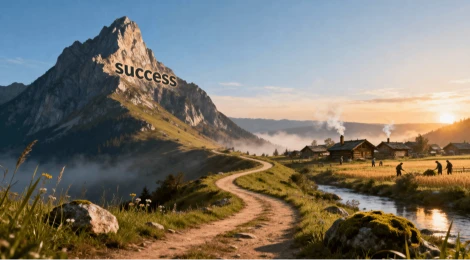
Many of us burn out chasing a version of success that leaves no room for self. What if success meant balance, not burnout? What if thriving meant working with your energy instead of against it?
Maybe true success is leaving work on time and feeling present with your family. Maybe it’s choosing depth over speed. Redefining success on your own terms is one of the most radical, restorative acts of all.
The Counterpoint: “But I Can’t Slow Down Right Now,”
You might think, I’d love to rest—but I can’t afford to stop. Life doesn’t pause for recovery. Bills, projects, and family responsibilities keep coming.
That’s why recovery doesn’t always mean withdrawal—it can mean micro-restoration.
Step outside between meetings.
Take five deep breaths before answering emails.
Reclaim your lunch break as sacred.
Say no to one unnecessary task this week.
Small shifts create large ripples. You may not be able to change everything, but you can change how you show up to it.
Step Eight: Reconnect With Meaning
Burnout disconnects you from the “why.” Recovery reconnects you. Ask yourself: What truly matters to me? What work still lights a spark inside me? What can I let go of without losing myself?
Purpose isn’t found in productivity—it’s found in presence. The more you align your actions with what feels meaningful, the less likely you are to lose yourself again.
Step Nine: Seek Support—Not Solitude
Healing deepens through connection. Talk to a trusted friend or mentor. Consider therapy. Share your experience without shame. Burnout thrives in silence but softens in shared understanding.
You’re not weak for needing help; you’re wise for choosing it.
The Slow Art of Coming Back
Recovering from burnout is like tending a neglected garden. You clear what’s dead, plant new seeds, water them daily, and wait. At first, nothing changes—but slowly, new life appears.
You begin to laugh again. Focus returns. You notice small joys you once overlooked. This is what healing feels like—not a single moment of triumph, but a gentle, steady remembering of who you are.
What Comes After the Burnout
Real recovery doesn’t restore your old self—it unveils your truer one. You become clearer about your limits, wiser about your choices, and softer toward yourself and others.
The fire that once consumed you becomes the light that guides you.
You don’t have to rebuild your old life. You’re allowed to build a healthier one.
Healing doesn’t begin with doing more—it begins with allowing yourself to pause.
The Aftermath of Burning Out
You don’t notice it happening at first. You keep pushing through the deadlines, the meetings, the messages that never stop. You tell yourself it’s just a busy season—that you’ll rest when things slow down. But one day, the energy runs out. The spark that once fuelled you turns to ash. Even simple tasks feel overwhelming.
Burnout doesn’t just drain your energy—it erases your sense of self. It leaves you restless yet unable to move, wired yet exhausted, searching for meaning in what once gave you purpose.
And yet, as devastating as it feels, this is where something vital begins. Because when everything burns down, what’s left is truth.
That truth can be painful—but it’s also powerful. Burnout strips away illusion. It shows you what can no longer continue as it is. And though the quiet that follows may feel empty, it’s also the space where something new can begin. Recovery doesn’t start with rushing to rebuild—it starts with learning to stand still long enough to listen.
Step One: Stop Trying to “Bounce Back”
We’re told to “get back on our feet” quickly, as if recovery were a performance review. But real healing isn’t about bouncing back—it’s about rebuilding better.
You can’t return to the life that burned you out and expect peace. Burnout isn’t a flaw—it’s a message. A sign that something in your rhythm, your expectations, or your environment has become unsustainable.
So, begin here: stop pretending you’re fine. Admit you’re exhausted. Acknowledge that your body and mind are asking for more than a weekend off. True recovery begins with honesty.
Step Two: Redefine What Rest Means
Most of us confuse rest with collapse. But burnout recovery calls for intentional rest—one that repairs, not distracts.
Physical rest: Sleep, nourishment, unhurried movement.
Mental rest: Time away from screens, decisions, and noise.
Emotional rest: Giving yourself permission to feel and release.
Social rest: Spending time only with people who replenish you.
Make rest non-negotiable, not occasional. You’re not lazy for needing it—you’re human for honouring it.
Step Three: Start Small, Go Slow
When you’ve been running on empty, even healing can feel like pressure. So don’t start with a revolution. Start with small rituals—a morning stretch, a walk after work, five minutes of stillness before bed.
Healing after burnout is not linear. You’ll have light days and heavy days. That’s okay. What matters is not how fast you move, but that you keep moving—gently, steadily, in your own time.
Step Four: Reassess Your Boundaries
Burnout often blooms where boundaries die. Maybe you said yes too often, confused productivity with worth, or feared disappointing others. Now is the time to redraw those lines.
Identify what drains you versus what sustains you. Learn to say no to what costs your peace. Remember: boundaries aren’t barriers—they’re bridges back to balance.
You cannot serve from a vessel that’s cracked at the base.
Step Five: Address the Source—Not Just the Symptoms
Burnout recovery isn’t just personal; it’s professional. Healing involves looking directly at where the fire started.
If your workplace is part of the problem, approach it strategically:
Document your symptoms—fatigue, brain fog, anxiety—and consult a healthcare professional. They can help rule out other conditions, and if necessary, recommend medical leave or adjustments.
Communicate wisely—when speaking with your manager or HR, frame your needs around sustainability rather than weakness. For instance: “I’d like to discuss ways to optimize workload distribution for long-term productivity,” rather than “I can’t handle this anymore.”
These aren’t admissions of defeat—they’re acts of responsibility, both for your wellbeing and your effectiveness.
Step Six: Acknowledge Systemic Pressures
Here’s the truth many overlook: burnout isn’t just an individual issue. It’s often the result of a system that rewards overextension and glorifies exhaustion.
If you’re burned out, it’s not because you’re weak—it’s because you were trying to survive in a culture that mistakes busyness for value. Recognizing this lifts the final layer of guilt. You are not broken; the system might be.
And when you heal, part of your wisdom can be used to quietly advocate—for better workloads, fairer policies, and more humane expectations. Your recovery becomes not just personal, but purposeful.
Step Seven: Redefine Success
Many of us burn out chasing a version of success that leaves no room for self. What if success meant balance, not burnout? What if thriving meant working with your energy instead of against it?
Maybe true success is leaving work on time and feeling present with your family. Maybe it’s choosing depth over speed. Redefining success on your own terms is one of the most radical, restorative acts of all.
The Counterpoint: “But I Can’t Slow Down Right Now,”
You might think, I’d love to rest—but I can’t afford to stop. Life doesn’t pause for recovery. Bills, projects, and family responsibilities keep coming.
That’s why recovery doesn’t always mean withdrawal—it can mean micro-restoration.
Step outside between meetings.
Take five deep breaths before answering emails.
Reclaim your lunch break as sacred.
Say no to one unnecessary task this week.
Small shifts create large ripples. You may not be able to change everything, but you can change how you show up to it.
Step Eight: Reconnect With Meaning
Burnout disconnects you from the “why.” Recovery reconnects you. Ask yourself: What truly matters to me? What work still lights a spark inside me? What can I let go of without losing myself?
Purpose isn’t found in productivity—it’s found in presence. The more you align your actions with what feels meaningful, the less likely you are to lose yourself again.
Step Nine: Seek Support—Not Solitude
Healing deepens through connection. Talk to a trusted friend or mentor. Consider therapy. Share your experience without shame. Burnout thrives in silence but softens in shared understanding.
You’re not weak for needing help; you’re wise for choosing it.
The Slow Art of Coming Back
Recovering from burnout is like tending a neglected garden. You clear what’s dead, plant new seeds, water them daily, and wait. At first, nothing changes—but slowly, new life appears.
You begin to laugh again. Focus returns. You notice small joys you once overlooked. This is what healing feels like—not a single moment of triumph, but a gentle, steady remembering of who you are.
What Comes After the Burnout
Real recovery doesn’t restore your old self—it unveils your truer one. You become clearer about your limits, wiser about your choices, and softer toward yourself and others.
The fire that once consumed you becomes the light that guides you.
You don’t have to rebuild your old life. You’re allowed to build a healthier one.